Non-surgical treatment
Ozempic, Mounjaro, Wegovy, Semaglutide and Rybelsus
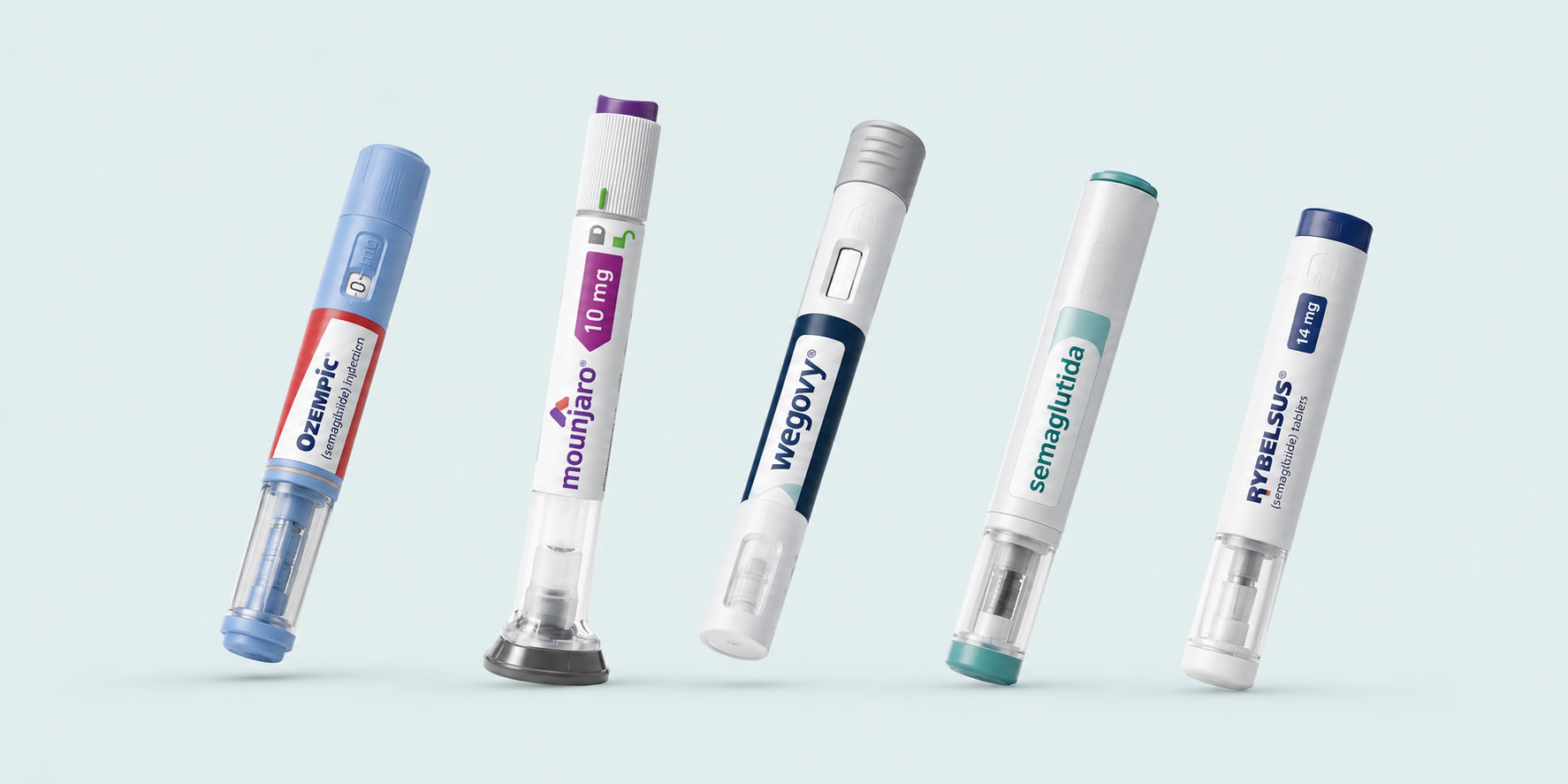
GLP-1 analogs are injectable medications that mimic a natural hormone produced in the intestine called GLP-1 (glucagon-like peptide 1). This hormone regulates appetite, insulin production and stomach emptying.
At our clinic we work mainly with the two GLP-1 analogs approved for the treatment of chronic obesity:
Both medications are approved by COFEPRIS in Mexico for the treatment of obesity and type 2 diabetes, and are administered once a week through a small subcutaneous (under-the-skin) injection.
Important: these medications are not cosmetic treatments or supplements. They are prescription drugs that require evaluation, follow-up and dose adjustment by a specialist.
By mimicking the GLP-1 hormone, these medications act on several fronts at the same time:
In the case of Mounjaro (tirzepatide), because it also acts on the GIP receptor, the effect on weight loss and metabolism is more pronounced.
Clinical trials show significant results:
Individual results vary. During your consultation, the physician will explain a realistic goal for your specific case.
This treatment is indicated for people who meet one or more of the following criteria:
This treatment is not suitable for people with:
The complete medical evaluation at our clinic determines whether you are a suitable candidate before starting any treatment.
| Myth | Fact |
|---|---|
| “They are miracle pills, I don't need to make an effort” | They correct an altered biology, but results are optimized — and maintained — when accompanied by lifestyle changes. |
| “When I stop the medication I regain all the weight” | Weight regain can occur if eating habits are not consolidated. That is why, at our clinic, we work on lifestyle in parallel. |
| “They cause eating disorders” | On the contrary: they reduce cravings and food-related anxiety, making for a healthier relationship with food. |
| “Everyone loses the same amount” | The response is individual. Mounjaro shows higher average efficacy (~20%) than Wegovy (~14%), but not everyone responds the same. |
| “They are only for diabetics” | Although they emerged as a diabetes treatment, Wegovy and Mounjaro are approved specifically for weight management in people with obesity, regardless of whether they have diabetes. |
| “They are dangerous long-term” | Their safety profile has been evaluated in trials lasting 1 to 4 years. They are medications under active regulatory surveillance. |
Yes, and it makes an important difference.
GLP-1 analogs do not replace healthy eating or exercise — they enhance them. Studies document that combining the drug with lifestyle changes produces greater weight loss and better long-term maintenance compared with the medication alone.
At our clinic we offer a digital option in which we provide access to the Avena app to follow a standardized eating plan, designed by our nutritionists specifically for patients on GLP-1 analog treatment. Through the app you can view your menu, see how to prepare recipes, generate a shopping list and receive meal reminders to improve adherence to the plan.
This nutrition plan is standardized, so it is not intended to cover very specific requirements (for example, high-level athletic performance or complex digestive diseases such as active colitis). However, the menu structure and nutrient selection are designed to help prevent nutritional deficiencies, excessive loss of muscle mass and the gastrointestinal discomfort common in patients using GLP-1 medications.
This option is intended for people who do not want or cannot afford a fully individualized nutritional treatment, but who do want to support their pharmacological treatment with professional dietary guidance. If you have a special medical condition that requires close nutritional monitoring (for example, inflammatory bowel disease, kidney failure, competitive sports, among others), we recommend scheduling an individual consultation with the nutritionist to create a fully personalized plan.
Nutrition
Exercise
Studies with GLP-1 agonists show that sustained exercise helps maintain the weight lost long-term and improves the hormonal response to treatment.
Yes. Medical follow-up is a fundamental part of the treatment. We do not give you the medication and leave you on your own. Our clinic protocol includes:
Most side effects are mild and transient, especially at the start of treatment or during dose adjustments.
Common effects (first weeks or after a dose adjustment):
These effects are usually manageable with our team's recommendations: eat small portions, avoid very fatty foods and stay well hydrated.
Uncommon but important effects (seek care immediately):
At our clinic we teach you to identify these symptoms from the first consultation. You will always have access to a direct communication channel with the medical team.
The data presented on this page is based on the following clinical studies and regulatory sources: